
1. Introduction
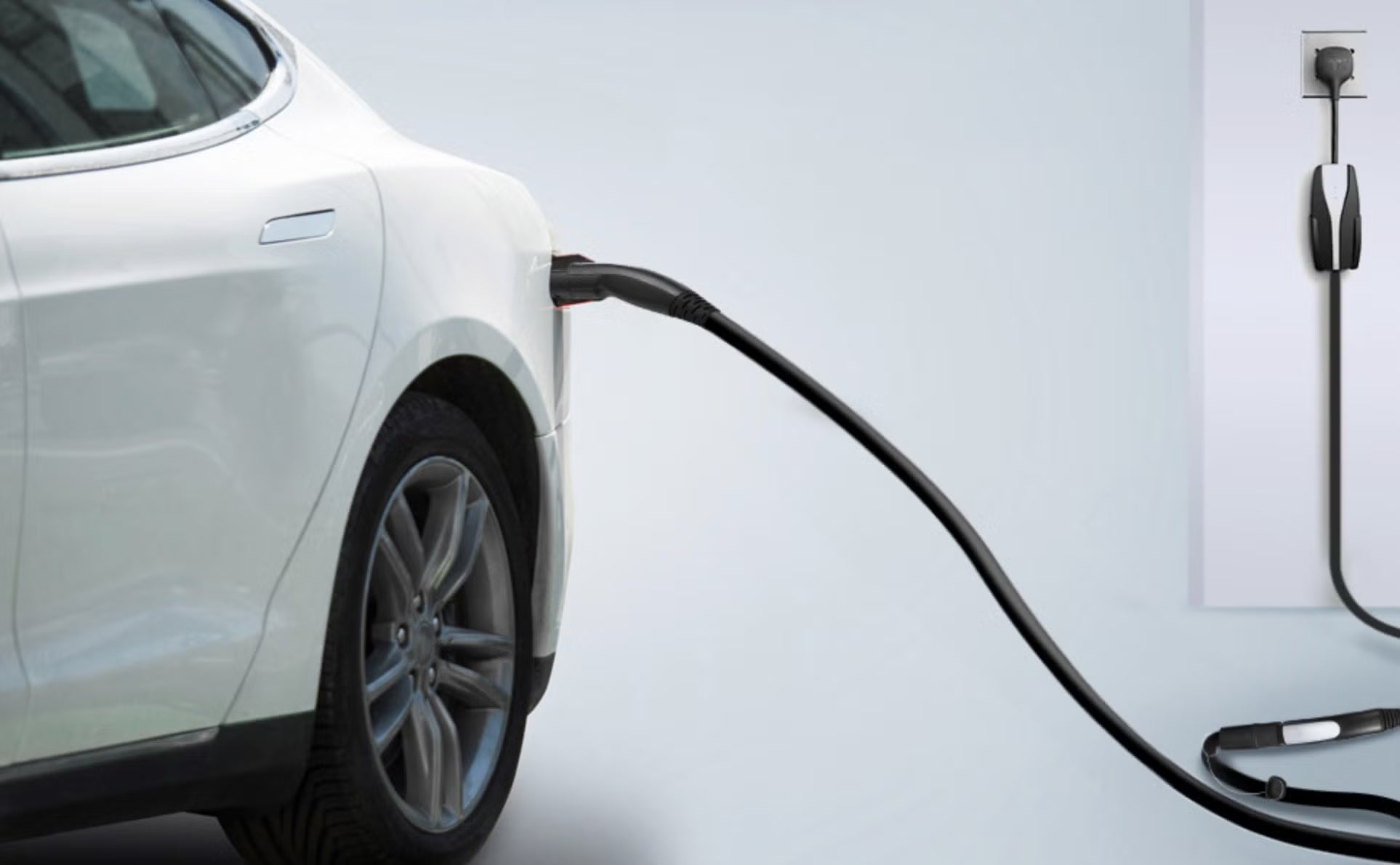
Electric vehicles(EVs) are no yearner a art movement construct they are an whole part of nowadays s moving landscape painting. As more consumers embrace EVs for their environmental benefits and cost savings, the for accessible and effective charging Stations of the Cross has skyrocketed. From municipality centers to geographical region highways, car charging Stations of the Cross are progressively formation the world-wide transport ecosystem. This rapid expansion reflects a broader passage toward property mobility and a low-carbon hereafter.
2. Factors Driving the Growth of Charging Stations
Environmental Awareness
Climate change concerns and contamination reduction have motivated governments and consumers to shift away from fossil fuels. EVs make zero tailpipe emissions, qualification them a vital component of carbon paper reduction strategies. To support this transition, the infrastructure to reload EVs must keep pace, leadership to a tide in charging send development worldwide.
Government Policies and Incentives
Governments are playing a critical role in fast the deployment of EV charging networks. Incentives such as tax , rebates, and subsidies for both consumers and businesses have encouraged the borrowing of electric car vehicles. For exemplify, the European Union s Green Deal has set ambitious targets to assure widespread EV infrastructure, while the U.S. Inflation Reduction Act includes financial support specifically for EV charging networks.
Technological Advancements
The rise of fast-charging applied science has addressed one of the primary concerns of EV users: charging time. Modern fast chargers can refill an EV battery in 20 40 proceedings, qualification them corresponding to refueling a petrol fomite. Additionally, ache ev charging stations solutions and apps that allow users to locate Stations of the Cross and monitor charging come on have further enhanced convenience.
3. Global Trends in EV Infrastructure
North America
In North America, the United States and Canada are investing heavily in world charging infrastructure. The Biden administration aims to establish a subject network of 500,000 charging stations by 2030. Private companies like Tesla, ChargePoint, and Electrify America are also expanding rapidly, focus on both municipality and interstate highway locations to reduce range anxiety.
Europe
Europe leads in EV adoption and substructure denseness. Countries like Norway, the Netherlands, and Germany bluster some of the highest ratios of charging Stations per EV. The European Union s focus on putting green mobility and emission simplification targets has created a well-disposed environment for both world and private investment funds in EV charging networks.
Asia-Pacific
China dominates the global EV market and charging base deployment. The government has incentivized manufacturers and operators to establish general fast-charging networks, particularly in urban centers. Japan and South Korea are also expanding EV infrastructure, with a focalise on desegregation inexhaustible energy sources to power stations sustainably.
Emerging Markets
Emerging economies in Latin America, Southeast Asia, and Africa are bit by bit entrance the EV commercialise. While substructure challenges continue, populace-private partnerships and innovative solutions, such as solar-powered charging Stations of the Cross, are facultative inclined increase. The expansion of charging networks in these regions is material to insure the world-wide EV gyration is comprehensive.
4. Challenges Facing Charging Networks
High Installation Costs
Building a unrefined charging web requires considerable capital investment funds. Land attainment, ironware, installation, and sustenance costs can be prohibitively pricy, particularly in densely populated municipality areas.
Grid and Energy Supply Limitations
A explosive surge in EV adoption can stress local anesthetic electricity grids. Smart grid solutions, battery storehouse, and renewable vim desegregation are necessary to prevent blackouts and see trusty charging services.
Standardization Issues
Multiple charging standards(such as CCS, CHAdeMO, and Tesla s proprietary connectors) can produce confusion for consumers and block universal access. Industry-wide normalization is required to streamline EV borrowing.
5. Future Outlook
The rise of EV charging Stations of the Cross is unsurprising to uphold at a speedy pace. Innovations in ultra-fast charging, radio set charging, and fomite-to-grid engineering could transform the way consumers interact with energy and mobility. Collaboration between governments, private enterprises, and utility program providers will be crucial to edifice a property and competent world-wide charging network.
6. Conclusion
The world-wide proliferation of car charging stations is a clear sign that the futurity of transit is electric car. Driven by environmental concerns, confirming policies, and subject field design, the expanding upon of EV infrastructure is reshaping how we move. While challenges continue, the ongoing investment funds and International signalize that EVs and their charging Stations of the Cross are here to stay, powering a , greener planet.